
Do Polar Bears Get Cold?

It may seem a funny question but it’s one that we get asked a lot – do polar bears get cold? Of course, we’ll never actually know what the cold weather feels like to a polar bear – they can’t complain to us after all. There’s a good chance that some polar bears feel the cold more than others.
As we know some humans tolerate cold better than others. Some seem to constantly feel cold and always be rugged up and turning up the thermostat while others live in shorts all year round. So, it’s likely that different polar bears may feel changes in temperature more than others but, generally speaking, do polar bears get cold? Let’s find out!

The reason polar bears are able to not only survive but thrive in the arctic cold is because they’ve been specially designed to.
Over the years of polar bear evolution, polar bears physically adapted to suit their freezing cold environment. Eventually, their anatomy was changed in a few different ways.
So, how do these arctic animals keep warm and keep out the cold when they spend their days walking around on ice and snow and swimming in freezing water?
You may have heard of blubber – a super thick, special layer of fat that helps to keep whales and walruses warm. But…
Do Polar Bears Have Blubber?
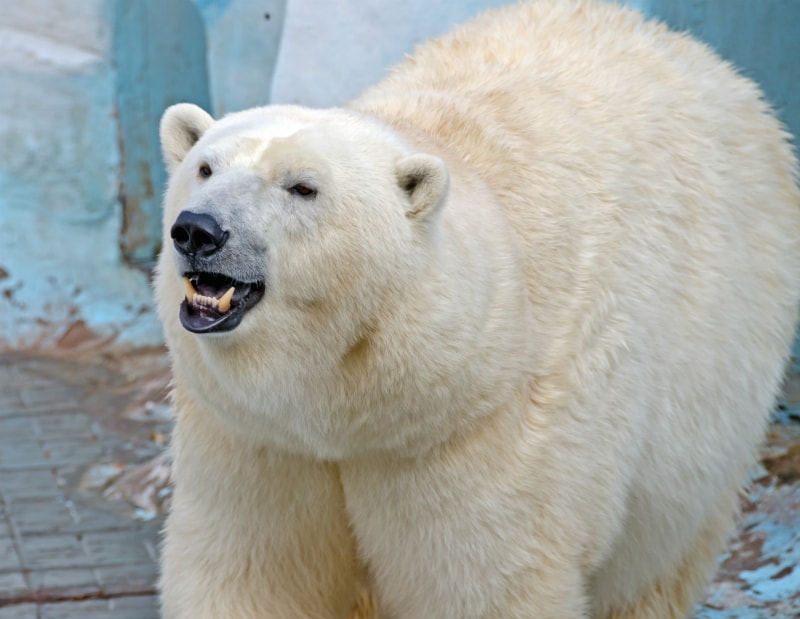
The answer is yes! Most marine mammals have adapted this way and use blubber to keep out the cold. Blubber is a thick, insulating layer of fat beneath the skin that helps to keep body warmth in and the cold of the air or water out. Polar bears have an extra thick layer of fat (or blubber) up to 10cm thick which helps to keep them warm in very cold regions.
It’s been noted that polar bears kept in captivity in warmer climates often seem to carry less weight as they don’t need this extra layer of fat to keep them warm.
So, that’s one way a polar bear helps to keep from feeling cold. What else?
Polar Bear Fur
On top of this thick insulation of blubber, polar bears have a very thick fur coat to help keep them warm. A polar bear’s fur is about 15cm thick. This fur is made up of two layers – the guard fur and the under fur. The underfur is dense and thick and stops the penetration of cold snow, ice, and water.
The guard fur is oily, long and hollow. The oiliness helps to repel the cold water and keep it away from the skin, while the hollow hairs help to trap in the heat.
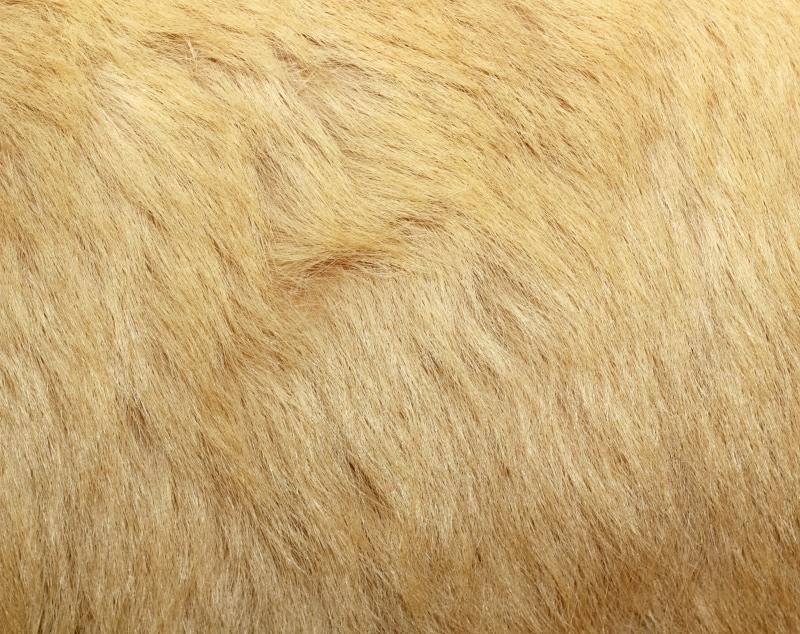
It also works the other way – rather than just keeping the cold out, a polar bear’s thick fur coat also prevents almost all heat loss. It’s hard to believe because of the extremely cold climate they live in, but a polar bear’s fur is actually so good at keeping the heat in that adult males can sometimes overheat when they run!
Fun fact: You won’t spot a polar bear using night vision goggles. Why? Because night vision goggles rely on the infrared rays that warm-blooded creatures give off to detect the presence of a living thing. Polar bears are so good at not losing their body heat they don’t give off the heat required to show up. Their bodies are so well insulated that no heat escapes! What amazing creatures they are!
Polar Bears Have Black Skin
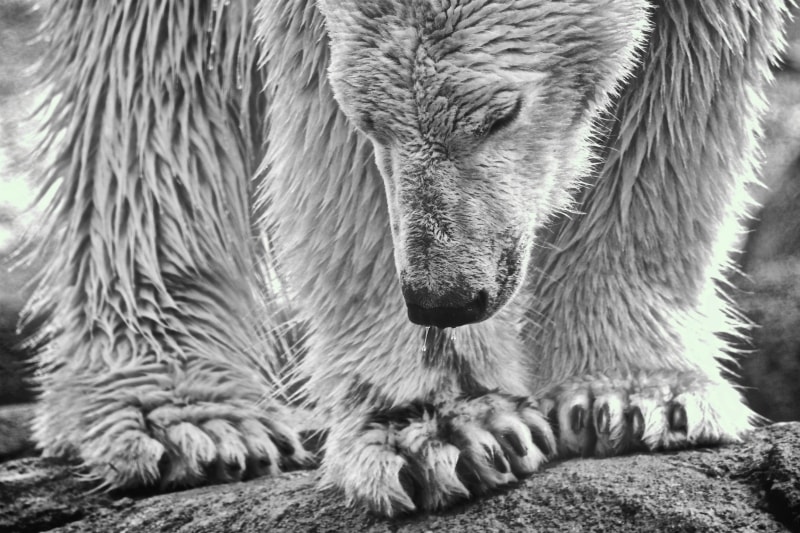
The other contributing factor to keeping the warm in and the cold out is the polar bear’s black skin. Yes, it may seem strange that an animal you might think of as white actually has black skin, but it’s true! If you don’t believe me, you can read more about the color of polar bears here.
So, how does a polar bear’s black skin help it to not feel the cold in those arctic regions where it lives? You might know from your science lessons that black (and other dark colors) absorb heat while white (and lighter colors) repel it. The black skin on a polar bear simply helps it to absorb more heat from the sun’s rays.
If you want to learn more about how polar bears stay warm, this article is pretty cool!

So, ultimately, in answer to the question, do polar bears get cold? I guess we’ll never really know for sure what they’re actually feeling, but we do know that they have adapted themselves over many years and now have bodies very well suited to living in arctic conditions. It’s all about their insulating layers of blubber, skin, and fur!

